Liepāja and around

Services: what we do ourselves and where we help

Every A.B.A. Kompānija service in one place. Each is marked: we do the work ourselves, or we help you find who does.

  • We do it ourselves

    Our technicians, our responsibility, a written warranty.

  • We do it, and tell you what else is needed

    We do the work; what another service does, we say plainly.

  • We help you find a solution

    Not with our own equipment. We say so plainly and help you find who does it.

Who it is for

For property managers and associationsThe whole building: risers, heating, drains and water metering.
For flat ownersPlumbing, the water heater, meters and radiators in your flat.
For private housesHeating, drains, winter preparation and septic tanks.

Emergencies

We do it ourselves

Emergency service 24/7

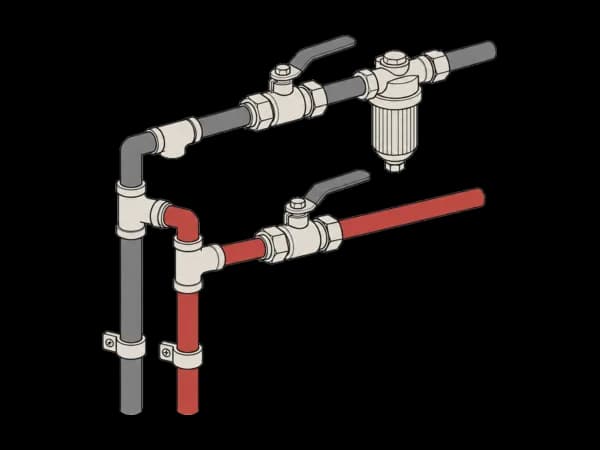
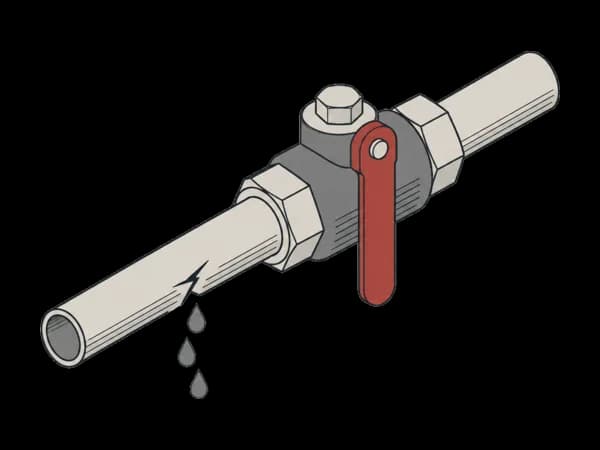
Bursts, leaks, blockages, water shut-off — at any hour.

We are on duty round the clock, weekends and holidays included. In Liepāja we arrive within 30–60 minutes. On the phone we tell you what to do until the technician arrives: how to shut off the water and what to leave alone.

What we need from you

  • The address and the floor
  • What is happening and where it leaks
  • Whether the water is already off
Water supply and plumbing

We do it ourselves

Plumbing works

Water pipes and fixtures in flats and houses — from a tap washer to a riser.

We fit and replace basins, toilets, baths, showers and mixer taps, lay new water and drain connections, and repair whatever leaks or does not work, in flats and private houses alike.

What we need from you

  • What needs doing and in which room
  • Whether the fixtures are already bought
  • The best time for a visit

We do it ourselves

Risers and renovation

Riser replacement, water and drain renovation in older and newer buildings.

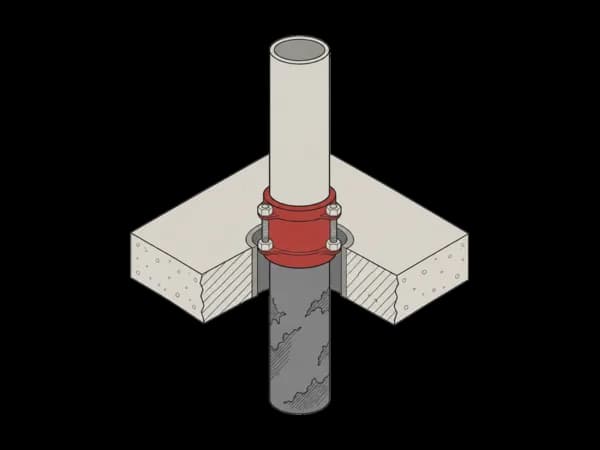
We replace cold, hot, circulation and drain risers with new shut-off valves, and the water and drain pipes in the basement. Risers are the building’s common property, so the work is ordered by the manager or the owners’ association. We work in Soviet-era and newer buildings alike.

What we need from you

  • The building series or year, number of floors and stairwells
  • Which risers: water, drains or both
  • Whether there is an owners’ decision or an estimate

Often asked

Who owns the risers?

In an apartment building the risers are common property. The owners’ association decides on replacing them and the manager organises the work. We do the work and prepare an estimate after an inspection.

We do it ourselves

Finding leaks

We find where the water comes from and stop the leak.

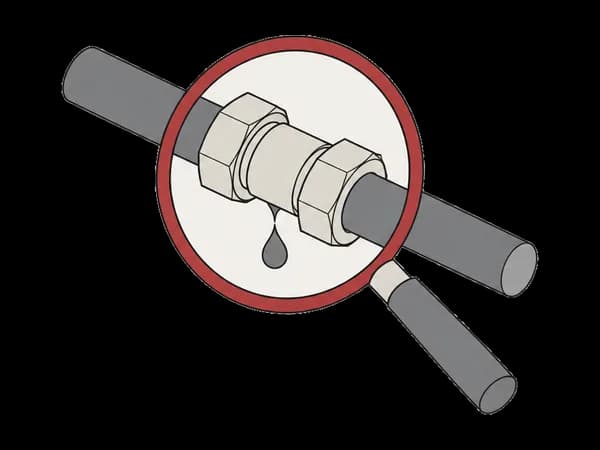
Water often shows up somewhere other than where it starts: on a neighbour’s ceiling, behind tiles or in the basement. We check pipes, joints, traps and appliance hoses, find the spot and repair it. If the leak is in a riser or another part of the common property, we tell the manager. If it is leaking hard, call the emergency line.

What we need from you

  • Where the water shows and since when
  • Whether the water is shut off
  • Whether it also leaks at the neighbours’

We do it ourselves

Water heater service and replacement

We clean the water heater, check the anode and the safety valve, or fit a new heater.

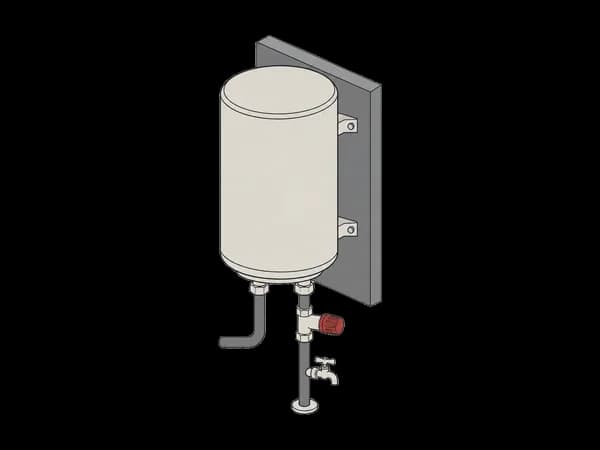
How often a water heater needs servicing is set by the maker’s manual; the law sets no interval. In a service we clear the scale, check the magnesium anode and the safety valve on the cold inlet, and replace them if needed. If the heater has to go, we fit a new one with a safety group, valves and connectors. If the electrical supply has to be rebuilt, an electrician does that part.

What we need from you

  • Volume, make and age, if known
  • What happens: no heat, dripping or hissing
  • A flat or a private house

Often asked

How often should a water heater be cleaned?

As often as the maker’s manual says; the law sets no interval. If the water is heated very hot, scale builds up faster.

Why does the safety valve drip?

Water expands as it heats, and the safety valve lets out the extra pressure — that is its job. If it drips all the time or heavily, call us and we will take a look.

We do it ourselves

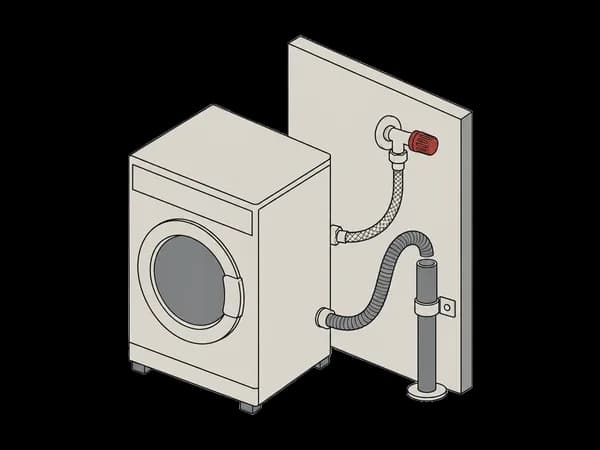
Connecting washing machines and dishwashers

We connect washing machines and dishwashers to the water supply and the drain.

Many floods start at a badly connected washing machine or a tap left open. We lay the water and drain connection, fit a shut-off valve for each appliance and check that the joints do not leak.

What we need from you

  • Where the appliance will stand: kitchen or bathroom
  • Whether there is already a water and drain point

We do it, and tell you what else is needed

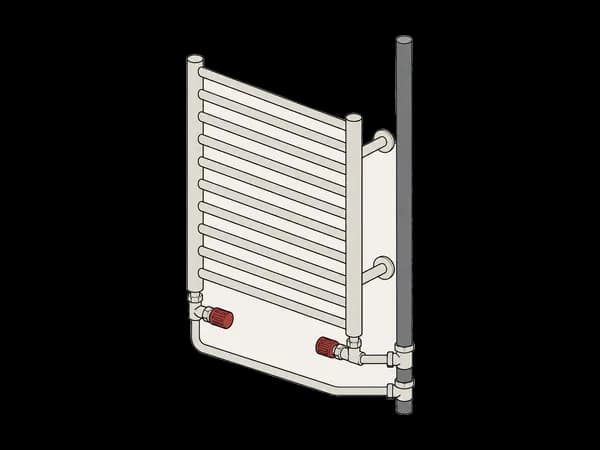
Towel rail replacement

We replace towel rails. If yours sits on the hot-water riser, we agree the work with the manager.

In apartment buildings the towel rail is often connected to the hot-water riser — the building code for internal plumbing recommends just that. So replacing it usually means shutting the riser off for a while, which can only be done with the manager’s knowledge. We replace the rail; the manager agrees the riser shut-off.

What we need from you

  • Whether the rail is on the hot-water riser or the heating
  • The new rail’s size and the distance between connections
  • The manager’s contact

We do it ourselves

Getting a house ready for winter

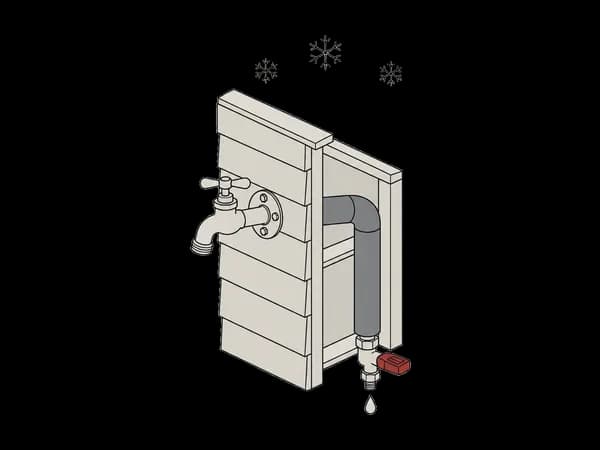
We drain the water system in a summer house or an empty house so the pipes do not freeze over winter.

If a house stands unheated over winter, water can freeze in the pipes and split them. We close the inlet, drain the pipes, the water heater and the traps, insulate exposed spots, and start everything up again in spring. If the pipes have already frozen, the emergency service can help.

What we need from you

  • The address and whether the house is heated in winter
  • The water source: a well or the town mains

Drains and sewage

We do it ourselves

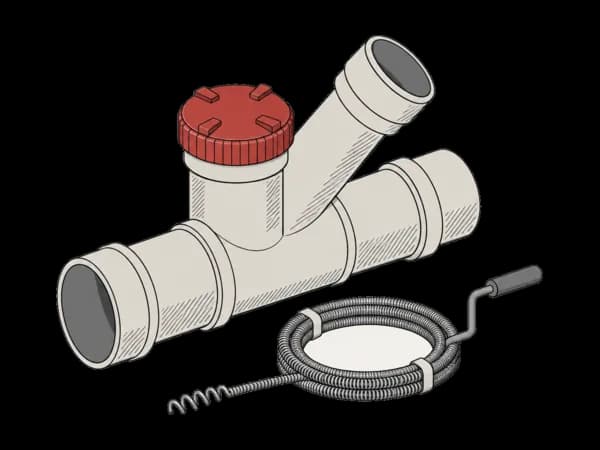
Drains and blockages

Clearing blockages and repairing drain pipes in the building.

We clear blockages in basins, baths, toilets and drain stacks, and replace damaged sections of pipe. If a blockage keeps coming back and a camera survey or jetting is needed, we tell you who does that, and then repair the pipes in the building ourselves.

What we need from you

  • Where the blockage is: basin, bath, toilet or basement
  • Whether it keeps coming back
  • Whether other flats have the same

We help you find a solution

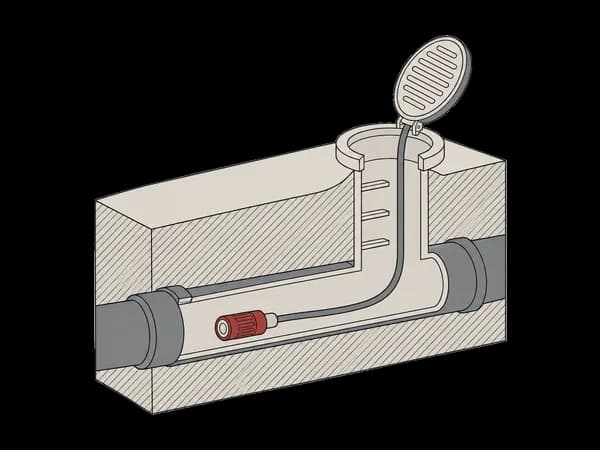
Drain camera survey and jetting

This needs a camera or high-pressure equipment, which we do not have. We help you find who does it.

When a blockage keeps returning or a fault has to be found in a buried pipe, a camera survey or high-pressure jetting helps. We do not have that equipment, and we say so plainly. We help you find who does it, and after the survey we repair the damaged section of pipe in the building ourselves.

What we need from you

  • The address and where the problem keeps recurring
  • Whether there is an accessible cleanout or manhole

We do it, and tell you what else is needed

Backflow valve and rainwater

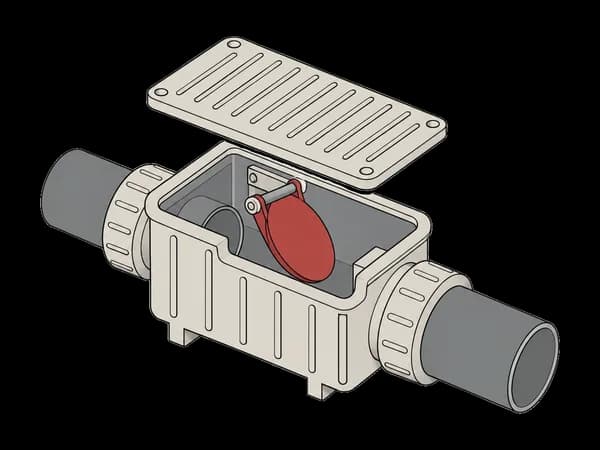
We fit a backflow valve that protects the basement from sewage coming back. The terms for rainwater are set by the water utility.

Liepāja’s binding regulations No. 11 require the owner of a building with sanitary fixtures in the basement to fit a backflow valve at their own cost. Rainwater may go into the sewer only with the water utility’s consent; otherwise it has to be disconnected within the term the utility sets. We fit the valve ourselves; the terms and the deadline for disconnecting rainwater are set by SIA "Liepājas ūdens".

What we need from you

  • What is in the basement: toilet, shower, washing machine or floor drains
  • Whether the basement has ever flooded
  • Where the roof downpipes go

Often asked

Is a backflow valve compulsory?

In Liepāja, yes, if the building has sanitary fixtures in the basement (binding regulations No. 11, para. 45). The owner fits it at their own cost.

May rainwater go into the sewer?

Only with the water utility’s consent (para. 42.4). Without it, rainwater has to be disconnected within the term the utility sets (para. 44).

We help you find a solution

Septic tank emptying

We have no tanker trucks of our own. We help you find who empties your septic or holding tank.

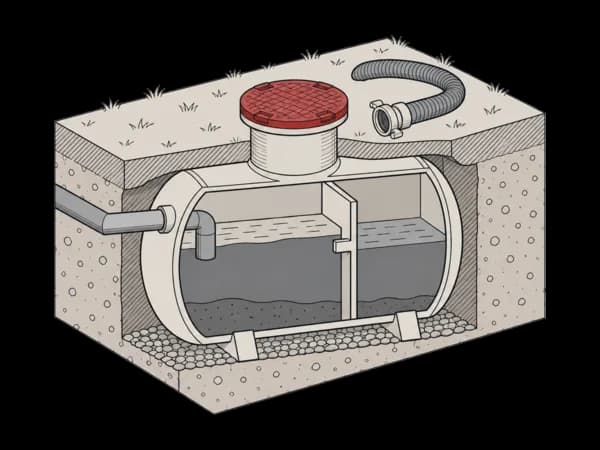
In Liepāja a septic tank must be emptied at least once a year, a holding tank as often as the water used requires, and a small treatment plant is serviced as its maker instructs. A decentralised sewage system must be registered with the provider the municipality names, and any change reported within a month. Only a registered hauler may empty it; keep the contract or receipt for each emptying. In South Kurzeme municipality a septic tank must likewise be emptied at least once a year.

If the town sewer runs in your street, a connection to it is worth considering. The technical conditions are issued by SIA "Liepājas ūdens", and the connection may be made only with the utility present or agreeing. The drains inside the house we can build ourselves.

What we need from you

  • The address: Liepāja or South Kurzeme municipality
  • The type: septic tank, holding tank or treatment plant
  • Rough volume and access to the hatch

Often asked

How often must a septic tank be emptied?

In Liepāja and South Kurzeme municipality, at least once a year. A holding tank is emptied as often as the water used requires, and a biological treatment plant is serviced as its maker instructs.

Does a septic tank have to be registered?

Yes. In Liepāja a decentralised sewage system must be registered with the provider the municipality names, and changes reported within a month. Nationally, registration is required by Cabinet Regulation No. 384.

What should I keep after an emptying?

The contract or receipt showing the date, the volume and the address. Liepāja’s binding regulations No. 10, para. 36.4, require it.

Heating

We do it ourselves

Heating systems

Heating pipes and radiators, system balancing, heat pumps and underfloor heating.

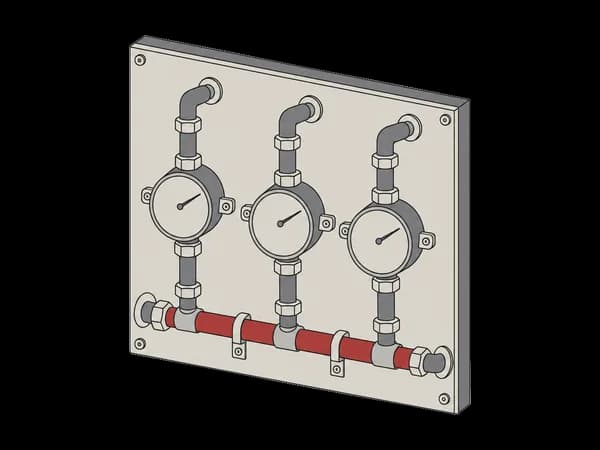
We install and repair heating systems in private houses and apartment buildings: pipes, radiators, valves and underfloor heating. We balance the system so every room warms up evenly. Heating substations and gas appliances are serviced by other specialists; see below.

What we need from you

  • The building type and rough floor area
  • The heat source: district heating, a boiler or a heat pump
  • What is not working or what you want to change

We do it ourselves

Heating check before the season

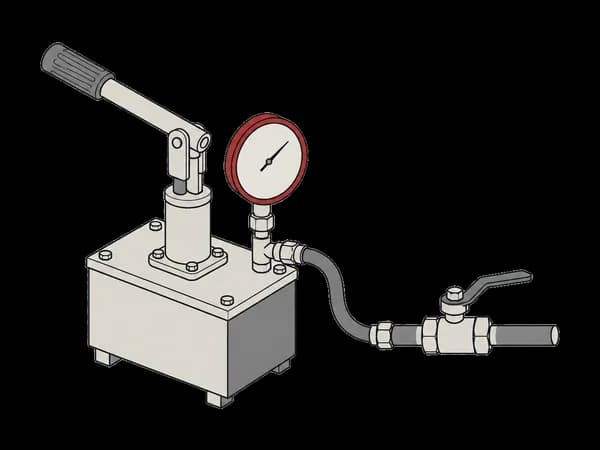
Before the heating season we flush the system, pressure-test it and bleed the radiators.

It is best done in summer or early autumn, while the heating is still off. In an apartment building we agree the work with the manager. If the check finds a leak or a faulty valve, we say what needs fixing and fix it ourselves. The substation itself is serviced by another specialist.

What we need from you

  • The building type and number of floors
  • When the system was last flushed or tested
  • Known problems: cold radiators, pressure drops

We do it, and tell you what else is needed

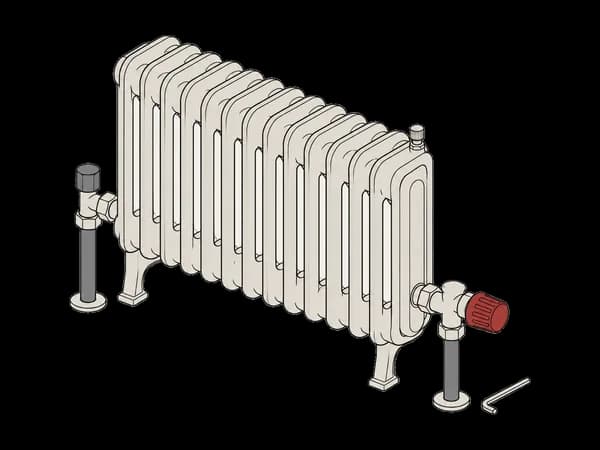
Radiator replacement and balancing

We replace radiators and valves. In an apartment building the manager’s or the owners’ consent comes first.

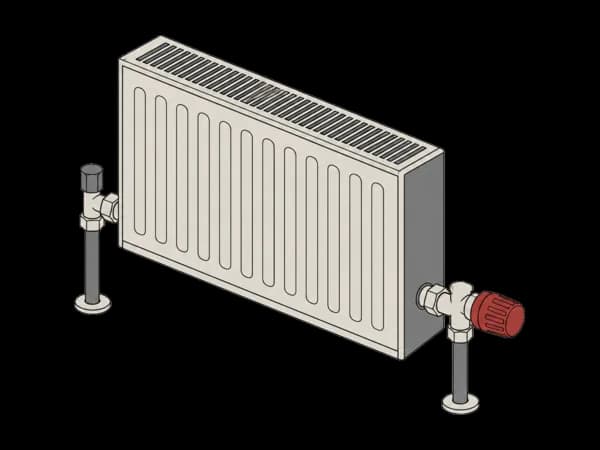
In an apartment building radiators are usually part of the common property, so replacing them has to be agreed with the manager or the owners’ association. If the new radiator is not equivalent to the old one, a heating design by a certified engineer is needed. The work can only be done while the heating is off and the riser can be drained. We replace the radiators, bleed them and balance the system ourselves; the consent and, if needed, the design come from the manager or a designer.

What we need from you

  • How many radiators and in which rooms
  • Whether you have the manager’s consent
  • The size of the current radiator

Often asked

Can I fit thermostats in my flat?

In old single-pipe systems specialists usually advise valves rather than thermostats unless the system was designed for them. Before choosing, we look at the system in your building.

When can radiators be replaced?

While the heating is off and the riser can be drained — usually in summer. The exact window is set by the manager.

We help you find a solution

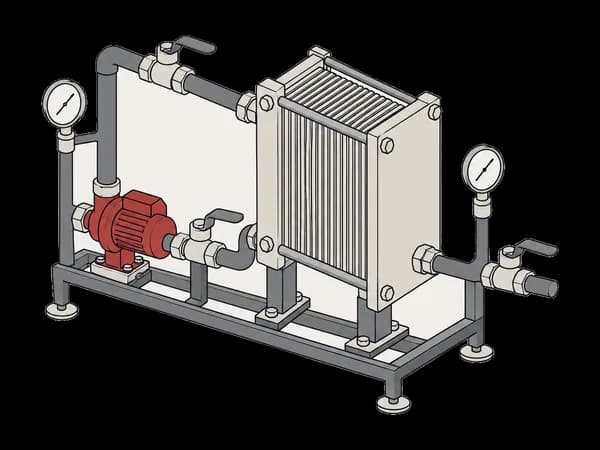
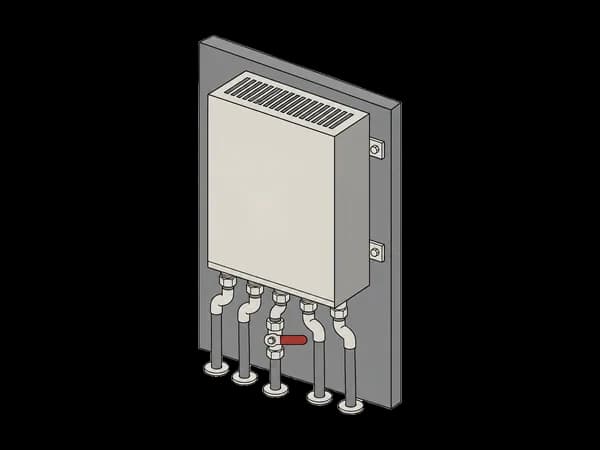
Heating substation service

A heating substation is serviced by heat-supply specialists. We help you find who does it for your building.

Servicing a substation takes a specialist trained for it. In Liepāja, "Liepājas enerģija" also offers installation and servicing of building substations. We work on the system inside the building: risers, radiators, flushing and balancing.

What we need from you

  • The address and whether the building has its own substation
  • Who services it now, if known

We help you find a solution

Gas boilers and appliances

Gas appliances may be installed and serviced only by a qualified specialist. We help you find one.

Cabinet Regulation No. 78 says that gas systems and appliances are installed, serviced and repaired only by a person with the right qualification, and that connecting or replacing an appliance has to be agreed with the distribution system operator "Gaso". We do not touch gas appliances. The heating pipes and radiators in the house we can install ourselves.

What we need from you

  • The address and the boiler type
  • What is happening or what needs doing

Meters and metering

We do it, and tell you what else is needed

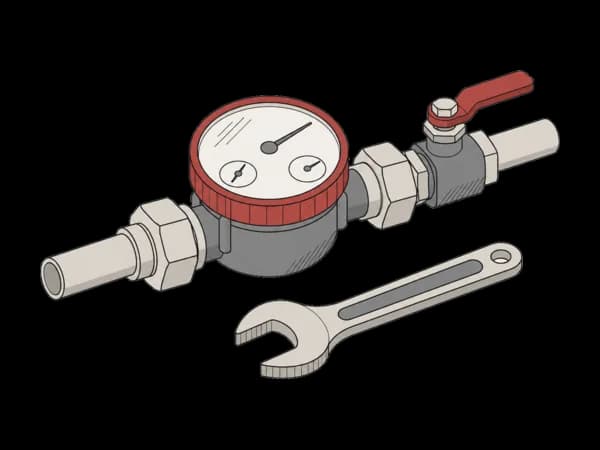
Meter replacement

We replace water and heat meters in flats ourselves. The building’s inlet meter is the water utility’s business.

Since 6 June 2025, water meters in flats no longer need re-verification. A working meter may stay in use until its service life ends — the maker’s, but no longer than 10 years from installation. In Liepāja the building’s inlet (billing) meter is installed and sealed by SIA "Liepājas ūdens", and it is still verified as before.

If someone tells you every meter must be verified or replaced by 2027, that is not true — the Consumer Rights Protection Centre (PTAC) has warned about such claims.

What we need from you

  • How many meters and where: bathroom, kitchen, toilet
  • Whether they can be reached
  • The manager’s requirements, if any

Often asked

Does a flat’s water meter still need verifying?

No. Since 6 June 2025, flat water meters need no re-verification; PTAC explains this too. The building’s inlet meter is still verified, and that is the water utility’s job.

Must every meter be replaced by 2027?

No. By 1 January 2027 the owners’ association has to decide on a unified water metering system for the building. That does not mean every meter must be replaced. A meter is replaced when its service life is over.

We do it, and tell you what else is needed

One water metering system for the building

We help a building prepare its decision on unified water metering and replace the meters in the flats.

Under Cabinet Regulation No. 1013 the owners’ association sets how water is metered in the building, and it has to decide by 1 January 2027. The manager cannot decide this alone. Remote reading is an option, not a duty, and it is a paid service.

We can look at the existing meters, tell you which are near the end of their service life, and, once the owners have decided, replace them flat by flat. A remote-reading system and its running are provided by its supplier.

What we need from you

  • The number of flats and risers
  • When the meters were fitted, if known
  • Whether the owners have decided on remote reading yet

Often asked

Can the manager decide alone?

No. PTAC explains that the owners’ association decides on the metering system, not the manager alone.

Is remote reading compulsory?

No. It is an option the owners may choose. It is a paid service, so its cost belongs in the decision.

Contact us

Fill in the form or simply call, we'll be happy to help. We respond within 2 hours on business days.

Urgency

Urgent? Call

Mobile · 24/7

+371 277 66 340
Ludviķa iela 4, Liepāja, LV-3401
Call 24/7 · 277 66 340Request